

10 Clever Ways to Save Money on Everyday Essentials
*This is a collaborative post.
You’re always looking for ways to keep more cash in your pocket without skimping on essentials, right? Thankfully, there’s a whole world of strategies out there to help you do just that. And for finding those hard-to-resist discounts, the best website for voucher codes, Latest Deals, is a great resource to get you started. Here are ten clever ways to save money on everyday essentials.
1. Bulk Buying
Ever marveled at how much you can save when you buy that whopping bag of rice versus the puny one? That’s the magic of bulk buying. While it might feel like a hefty spend at first, think about all those trips to the grocery store you’re skipping and the pennies you’re saving.
Bulk buying is about snapping up deals on items you use continuously. We’re talking about your toilet papers, canned goods, soap, and those dry goods that shove off expiry dates for an eternity or two.
And here’s another plus. Fewer shopping trips amount to fewer chances for you to succumb to the siren song of impulse purchases. That deal on a Nutella 3-pack might have your name on it, but if you walk past it, you won’t know it exists, right?
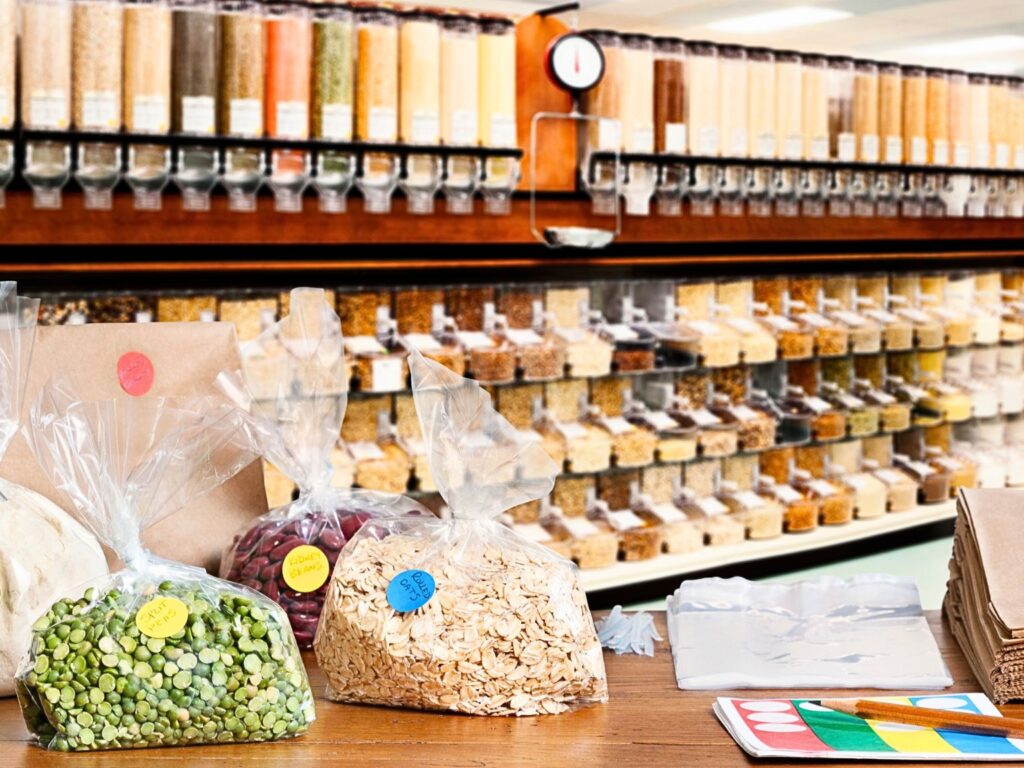
Bottom line, buying in bulk is a smart move. It saves you not only a hefty chunk of change but also a whole lot of sanity from frequent retail runs. Just be sure to keep an eye for deals, they’re always around waiting to be scooped up.
2. Use Cashback Apps
Save money on the fly by harnessing the power of cashback apps on your phone. Here’s how it works: you shop like you usually would, at your favourite stores or online, but with one extra step. When you’re done, simply scan your receipt into an app, say, Rakuten or Shopkick, and voila! You get a percentage of your spending back in cash.
Think of it like a post-purchase discount that keeps your wallet just a bit bulkier. The best part is that these cash returns can quickly add up over time without you having to change your shopping habits. This is truly a low-effort, high-reward method of saving money, especially if you’re a frequent shopper.
Make sure to check which apps cover your favorite retailers, as different apps partner with different stores. Some apps even offer you cashback for online shopping, which can be a lifesaver for those of us who live by our laptops.
Remember, every single receipt scanned is money back in your pocket. So don’t pass up this opportunity to save while you spend.
3. Embrace Generic Brands
One of the simplest ways to shave off some vital pennies is by putting loyalty on the back burner and showing some love to generic or store brands. The secret many prefer not to spill? These underdog products often offer the same quality as their glitzier name-brand counterparts, but have a significantly softer impact on your wallet. Yes, that’s right. Your favourite cereal, cleaning supplies, over-the-counter medication – there’s usually a less pricey (yet impressive!) alternative.

Now, we’re not advocating to blindly swap out all your tried and true goodies for store brands. Shrewd budgeting still demands discretion. Take a minute or two to compare ingredient lists or nutritional values on the packaging.
|
Doing this ensures you’re not only getting a bargain but also a product that stands up to your regular choice. So, the next time you find yourself tossing the familiar brand into your shopping cart, maybe give its lesser-known neighbour a chance. Your bank account might just throw you a thank-you party!
4. Keep an Eye on Sale Cycles
Understanding and utilising sale cycles can be a significant money-saver. Here’s how you can strategically plan your purchases:
Product Sale Cycles
- Clothing: Winter apparel typically goes on sale in the spring.
- Mattresses: Often feature big discounts in February.
- Electronics & Furniture: Sales generally align with new model releases, holidays, or seasonal changes.
By recognising these cycles, you can time your purchases more wisely.

Research & Plan
- Research Sales Patterns: Track when the items you frequently purchase tend to go on sale.
- Supermarkets: Even staple groceries have sales cycles. Stay alert and plan your shopping trips accordingly.
Strategic Purchasing
- Off-Season Buying: Purchase big-ticket items during off-peak times to maximize savings.
- Flexibility: While it’s not always practical to wait, buying during sales when possible can greatly reduce expenses.
Staying Informed
- Mailing Lists & Apps: Sign up for store newsletters or use apps to track weekly or monthly sales.
- Weekly Deals: In addition to seasonal sales, look for regular discounts to capitalise on savings.
Patience Pays Off
Waiting for a sale might challenge your patience, but the savings make it worth the wait. Keeping alert and strategically timing your purchases ensures you can splurge without overspending. Your wallet will thank you!
5. Make a Shopping List
Do you usually head to the store without any clear agenda, winding up buying things you didn’t even realise you needed? If you’ve been there, it’s time to make a big shift—start shopping with a predetermined list. Here’s why.
For starters, shopping with a list in hand keeps you from veering off course. Sure, that shiny new kitchen gadget or brand-name aftershave might look tempting in the store, but are they absolutely necessary to your day-to-day life? With a shopping list, your purchases stay grounded in what you truly need, not just what looks appealing on the shelf.
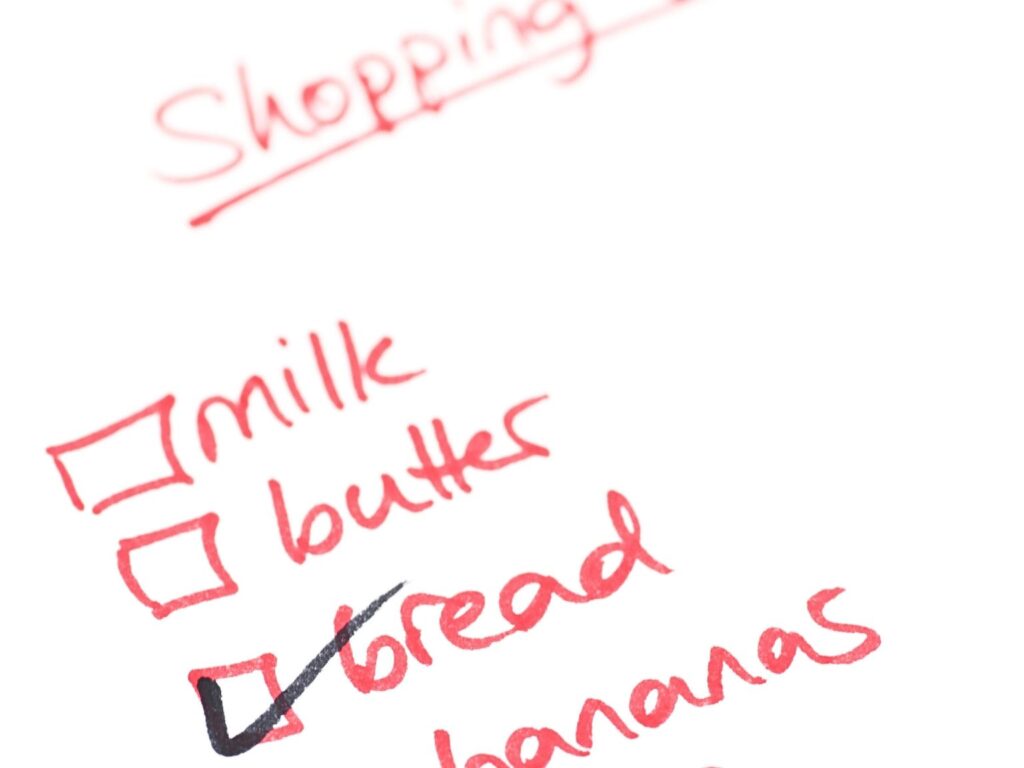
A shopping list also enhances budget control. You make your list based on your budget limitations for the week or month, and when you’re out shopping, you stick to it. It builds discipline, cuts down on impulse buying, and leads to significant cash savings in the long run.
Finally, always remember: the list is your guide. A well-structured shopping list can help you navigate store aisles efficiently, getting you in, loaded up, and out faster. Plus, it reduces the chances of forgetting something and making an extra trip. More convenience, less time wasted, and a thinner stream of cash flowing out of your wallet.
Tom Church, Co-Founder of LatestDeals.co.uk, a discount code platform, emphasizes, “A well-crafted shopping list is the ultimate money-saving weapon. It helps you stay focused, save time, and most importantly, save money.”
So next time you go shopping, don’t forget to arm yourself with that ultimate money-saving weapon—a well-crafted shopping list.
6. Join Loyalty Programs
Loyalty programs are your secret weapon for frugal living. You know, those ‘pesky’ little cards they offer you at checkout counters or those apps they encourage you to download? Yeah, those. They’re actually hiding a treasure of savings opportunities. Sign up for them at your go-to stores, whether they’re supermarkets, clothing stores, or even coffee shops. And why not? They’re often free and, over time, they can lead to substantial benefits.
The way loyalty programs work is simple. Each time you make a purchase, you’ll earn points. Once you’ve collected a sizeable stock of points, you’re able to redeem them for straight-up discounts on future purchases or score exclusive deals. Moreover, some loyalty programs offer additional benefits such as members-only discounts, early access to sales, or even freebies on your birthday. All these perks simply for doing your regular shopping. Nice, right?

A pro tip is, always strive to get your points recorded on every purchase, even if it’s a small one, since every point counts. But also remember, loyalty programs should be a tool to save on necessary purchases – not an inducement to make unnecessary ones. Savvy shopping is all about balance, folks.
By joining loyalty programs, you’re taking advantage of a store’s desire to keep you as a customer, which turns their marketing strategy into your savings opportunity. It’s a win-win situation, isn’t it? In a nutshell, loyalty programs can be your best bet to tackle your everyday essentials without feeling the pinch in your wallet.
7. DIY Cleaning Supplies
Hey, don’t raise that eyebrow. DIYing your cleaning supplies is one of the most underrated ways to save a good amount of money. As Tom Church, Co-Founder of LatestDeals.co.uk, notes, “Making your own cleaning products is neither complicated nor laborious, and it’s a fantastic way to cut costs while being eco-friendly.”
Simple household ingredients like vinegar and baking soda are surprisingly potent cleaners. They are cheap, widely available, and critically, non-toxic. Take white vinegar, for instance. It’s a fantastic all-purpose cleaner that can deal with everything from dirty windows to greasy countertops. Or consider baking soda, a perfect ingredient for scrubbing pots and pans or freshening up your rugs. Teamed with essential oils, if you’re into that sort of thing, you can whip up the sort of fragrant cleaners that cost a pretty penny when they’re branded.

Of course, DIY cleaners will require a little more elbow grease than simply swinging by your local supermarket’s cleaning aisle. But if you weigh the savings, it’s an effort that’s undoubtedly worth making. And besides, there’s something satisfying about being in control of what goes into your cleaning mixtures, right? Better for your pocket, better for the environment, and less exposure to nasty chemicals; DIY cleaning solutions are win-win-win.
Remember: just because the price isn’t steep at the checkout doesn’t mean you’re not getting a high-quality, effective product. So next time you run out of your reportedly ‘super-duper’ bleach or ‘ultra-powerful’ surface spray, consider concocting your own brew before automatically restocking. You’ll be giving your wallet a warm embrace.
8. Meal Prep and Plan
Planning meals and prepping in advance can be powerful tools in the mission to save money on everyday essentials. Sure, it takes a bit of time upfront, but the smart approach can slash your food bills and cut down on waste.
Steps to Effective Meal Planning
- Dedicate Time Weekly:
- Set aside a portion of each week to plan your meals.
- Assess current pantry ingredients.
- Anticipate upcoming meals and cravings.
- Smart Overlap:
- Choose recipes with overlapping ingredients to minimize waste.
- Opt for meals that provide leftovers, such as soups, stews, or casseroles.
Batch Cooking Benefits
- Efficiency:
- Cook larger portions, such as lasagna or stew, which take little extra time but offer several meals worth of portions.
- Freeze extra portions for convenient meals that save money and time.
- Avoid Takeout:
- Prepared meals reduce the temptation of costly takeout options.
- Homecooked dinners curb fast food cravings and help maintain a healthy diet.

The Power of a Packed Lunch
- Cost-Effective:
- While it’s a classic tip, packing your lunch is proven money-saving advice.
- Prepped homemade meals are economical and often healthier.
- Balanced Nutrition:
- Consistently packing lunches supports both financial and dietary goals.
Meal planning and prep don’t have to compromise on taste or nutrition. Being strategic and efficient with your meal choices and preparation can lead to a healthier lifestyle and savings. Your wallet and waistline will thank you!
9. Use Coupons Wisely
So, you heard the word ‘coupon’ and you remembered your grandma clipping coupons from newspapers, right? Well, it’s time to shake off that vintage image and embrace the digital age of coupon savings. Coupons are no longer just snippets in the Sunday paper – they’re everywhere. Whether they’re digital, app-based, or good old physical ones, you’ve got to harness them strategically.
Now, here’s the trick: don’t just use them willy-nilly on anything and everything. The real secret is merging them with in-store sales. It’s all about that dual-action discounting. Picture this: you’ve got a coupon for 50% off your favourite granola. Nice, right? But guess what. That granola is already on a ‘buy one, get one free’ deal in the store. You apply your coupon to that deal and voila! You’ve just bagged two packs of your beloved breakfast feed for half the price of one. Sweet, huh?

Though it sounds fantastic, remember, it’s not all about collecting coupons for the thrill of it; you have to actually use them. And for real savings, try and focus on those items you’d typically buy, not a random-flavoured packet of crisps just because you’ve got a discount voucher.
This is where organisation plays a key role; manage your coupon collection well. Apps, coupon binders, or even a simple envelope; whatever works best for you. Organise by product type or expiration date. Trust us, there’s nothing more frustrating than realising a perfect coupon expired yesterday.
In the end, the name of the game is combining the strategic use of coupons with everyday essentials purchasing. It’s not just about a single impressive deal. It’s dealing with the little leaks in the spending bucket that finally bring an overflow of savings. So, give it a shot – get wise with your coupon use, and watch as your savings stack up!
10. Being “Energy Smart”
Being “Energy Smart” means having an acute awareness of the energy consumption in your home and deliberately taking steps to reduce it. Not only is this good for the planet, but it’s also beneficial for your wallet.
Understanding Vampire Power
Many appliances and devices in your home consume power even when they’re not actively being used. Consider these common culprits:
- Television
- Computer
- Microwave
These devices continue to draw power in standby mode. By unplugging them when not in use, you can prevent this so-called “vampire power” from draining your budget.
Invest in Energy-Efficient Options
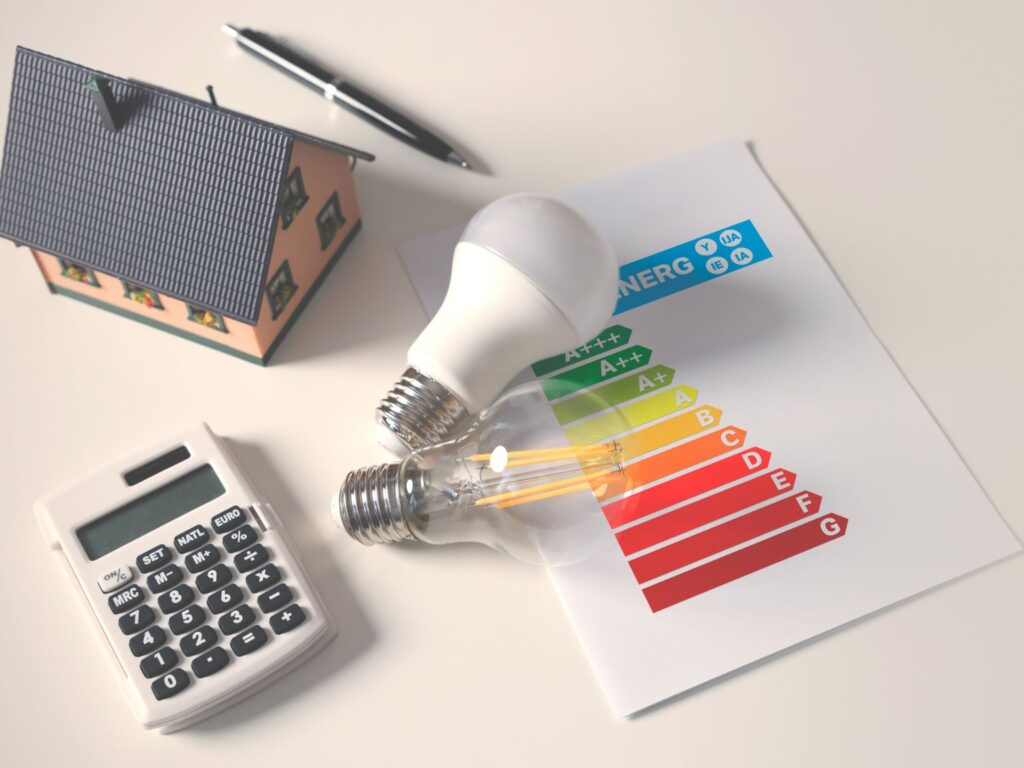
Consider investing in energy-efficient bulbs and devices. Though the upfront cost may be higher, view this as a long-term, smart investment. Here’s why:
- LED Light Bulbs: Can last up to 25 times longer than regular incandescent bulbs and use only a fraction of the energy.
- Energy-Efficient Appliances: Items such as refrigerators, washers, and air conditioners can significantly reduce your utility bill.
Manage Heating and Cooling Costs
Be mindful of your heating and cooling expenses. Here’s a simple step to manage these costs:
- Programmable Thermostat: Automatically adjusts your home’s temperature when you’re away or asleep, optimizing energy use.
Remember, being energy smart isn’t just about saving money—it’s about making conscious choices for a sustainable future. Adopting this clever way of saving will not only benefit your pocket but also our planet.






I bulk buy when I can, things like pasta, loo rolls and tinned food and use generic brands for most things. I won’t compromise on Heinz ketchup though.
Great advice!