

What Are The Elements Of Minimalist Interior Design?
*This is a collaborative post.
Many people imagine an empty room with one wooden chair, white sofa, small plant, and white walls when they hear the word “minimalism,” making them less reluctant to opt for this interior style. However, the benefits of minimalist interiors are becoming increasingly clear, enticing several individuals to choose this design trend. Indeed, as per a survey by interior experts Hammonds Furniture, the minimalist style is the most common among home hunters, with the average buyer willing to add an extra £3,600 to a minimalist home’s asking price. You can always switch to minimalism, but knowing what principles to follow is vital. Below are the common elements of a minimalist interior design.
1. Clever storage solutions
It is common knowledge that Britain is a nation of hoarders, with a survey claiming that Brits are keeping more than £80 billion worth of unwanted possessions. Although less is more under this design theme, a minimalist interior doesn’t necessarily mean owning the bare minimum amount of belongings. Instead, it is about having clever and hidden storage spaces to hide the many items in your home that do not need to be on display at all times. Consequently, clever storage solutions are common in minimalist spaces. You can tuck away household items like paper files, batteries, lightbulbs, and cords into baskets, built-in storage units, and even furniture with useful storage space.
2. A personal touch
Minimalist spaces have a lot of personalities, contrary to popular opinion. As such, many archetypal minimalist houses reflect their owner’s unique tastes and how they prefer to reside in the space. Consequently, your minimalist home must accommodate how you intend to live, reflecting in everything from your furniture choice to your interior layout. Additionally, you will need to add items that are quite personal, like your framed family photos, children’s artworks, and a curated collection of souvenirs you have picked up on your travels. Quality frames from Best4Frames will come in handy if you wish to encase any photographs for a personal touch, so keep this in mind.
3. Few furniture pieces
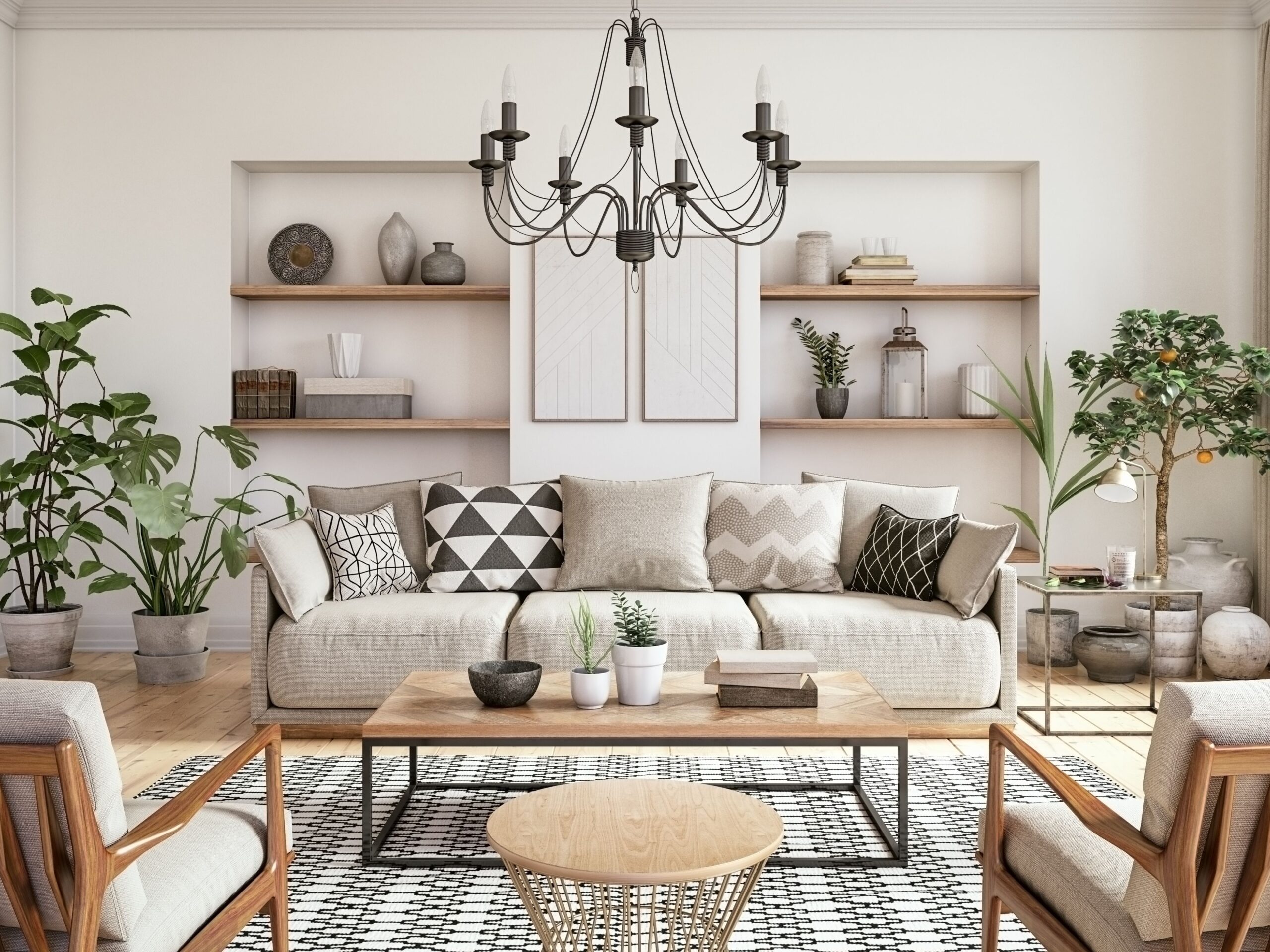
Everything must have form and function in a minimalist interior. As such, these spaces contain just a few pieces of furniture that serve clear purposes. For instance, a minimalist living room will have just a couch, coffee table, small entertainment stand, television, and a few lamps. Similarly, a minimalist bedroom can have a basic bed or even just one mattress, a dresser and a nightstand or bookshelf. These furniture pieces have a clear use in their respective spaces, keeping things simple, spacious, and clutter-free.
4. Neutral colour palette
Minimalist spaces are known for sticking to neutral and light colour palettes like greys, beiges, and whites because they are cool colours and help create the illusion of a more spacious room. Additionally, you will likely see two colours only in a minimalist interior design for consistency. However, this doesn’t mean you cannot experiment with colour as a minimalist. Although simplicity is the ultimate goal, you can introduce colour and texture in small doses through other mediums like indoor plants, textiles, and artwork to make your space more interesting.
Pin for later!




Great post and a lovely illustration. I pinned for the future but couldn’t tweet as you don’t have share buttons. Please add a few, maybe? #MMBC
I am no good when it comes to being a minimalist, I like my ornaments and nick, knacks. lol
It is a good idea though and it looks fantastic. x
I love the minimalist look! All the pictures of minimalist spaces always look so white and airy. My place is minimal but I chose darker earthy colours that I always seem to gravitate towards. So it was nice to read in your article that minimalism doesn’t necessarily mean all white.
#mmbc