Cleaning Your Rental Property Before Moving Out: What Is Required?
*This is a collaborative post.
Most renters dread the day of that final inspection. It becomes even more overwhelming when you are trying to avoid any security deposit deductions.
Nonetheless, you must leave the place in a similar condition to how it was upon your arrival. This is the baseline for most landlords, regardless of how long you have lived there.
Let us explore how to move this process smoothly so you can get your money back in full.
What Do Landlords Expect?
Knowing what landlords look for while inspecting the premises will help you prepare. Ultimately, the space should look as though it has been deep-cleaned by a professional.
This goes beyond mopping the floor or wiping the kitchen counter. It entails making sure every corner, surface, and appliance looks and works as well as it did when you first arrived.
Most tenancy agreements include move in cleaning guidelines, especially if the house was properly maintained in advance.
Cutting corners can save you some time, but it will get you in trouble when it is time to discuss that initial payment you made.
Your property manager will check everything, from the insides of cabinets and appliances to the grooves around the windows and tiles.
Areas That Need Extra Attention
You will have to go over every room, but there are select areas that property managers usually inspect more closely than others. These are the spaces where you should really concentrate your efforts.
1. The Kitchen
Seeing as it is one of the most frequently used rooms in any house, the kitchen will likely take the most time to clean.
Ovens, hobs, and extractor fans tend to accumulate a lot of grease and filth over time, so make sure you give them a good scrub. A thorough degreasing would probably be required as well.
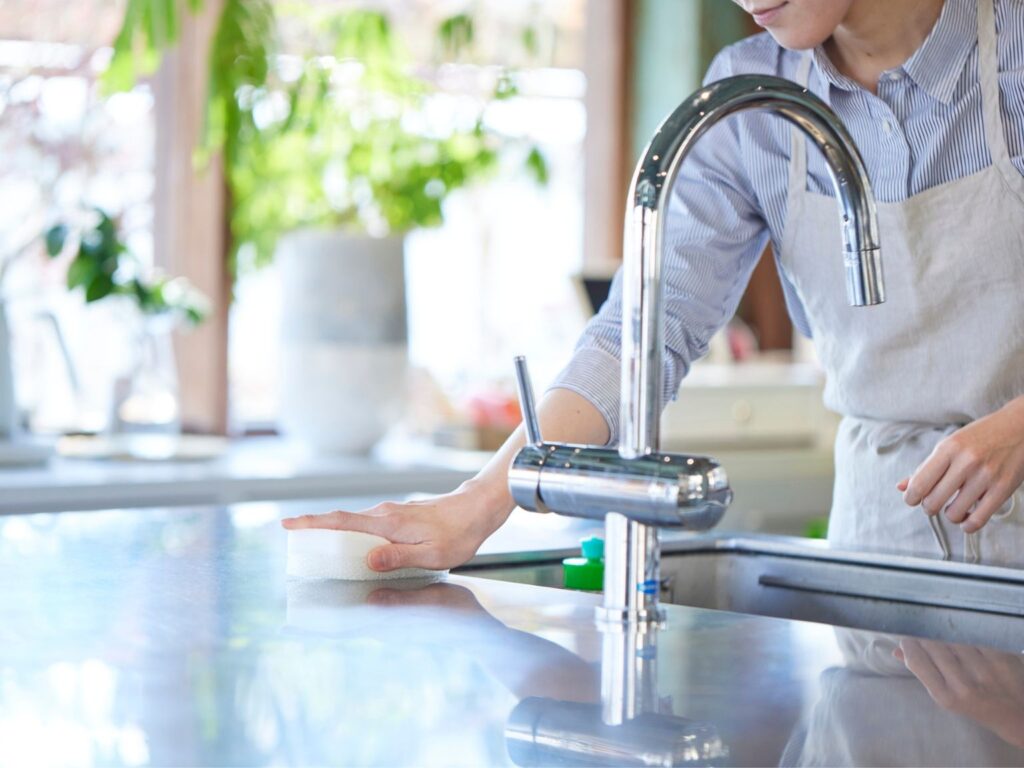
You also need to clear the refrigerator and defrost the freezer before wiping both their interiors and exteriors.
Make sure you polish the shelves, drawers, and any other compartments rigorously to remove all crumbs and sticky residue.
2. The Bathroom
Bathrooms are another hotspot for filth. Nevertheless, you need to leave yours spotless.
Start by scrubbing the tiles and descaling the shower heads and taps. All ceramic surfaces, including the vanity, bathtub, and toilet bowl, should be spotless as well.
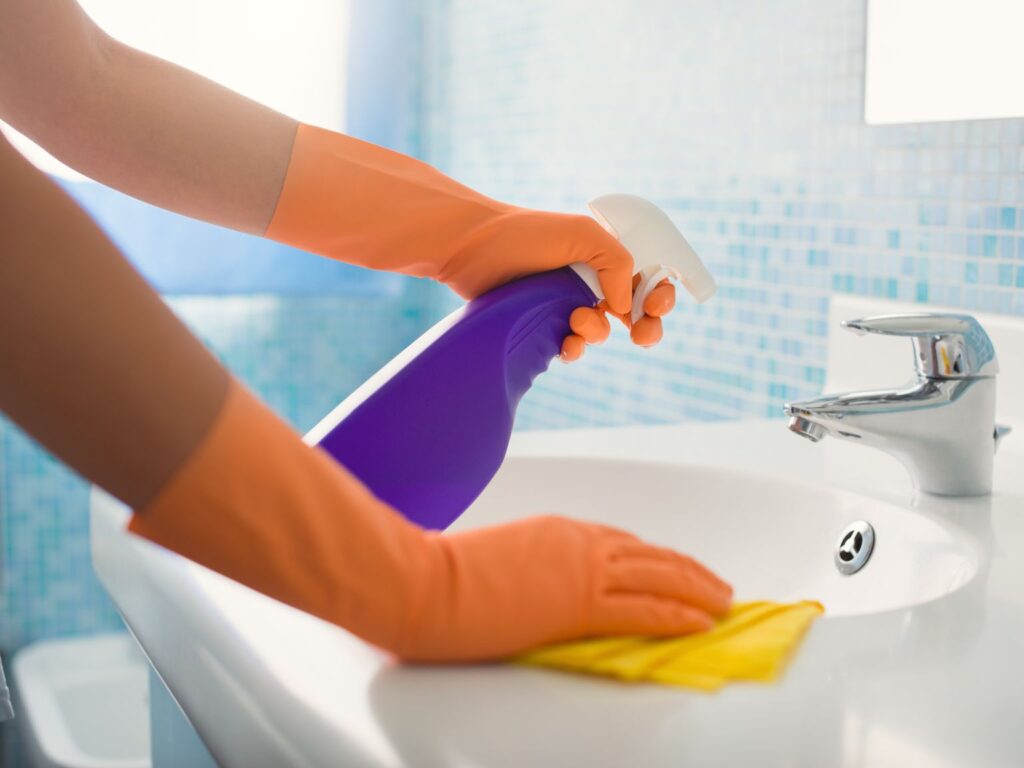
Mildew tends to grow in areas where water leaks and steam are ever-present. The space beneath the sink, along with that around the bathtub and toilet, are prime breeding grounds for mould. So, focus especially on those.
Additionally, check the mirrors, tiles, and any glass surfaces for streaks. Lastly, make sure extractor fans or other ventilation systems are also dust-free.
3. Floors and Carpets
Whether your rental features carpets, tiles, or hardwood, the floors must be gleaming after you are done with them. Carpets, in particular, can be a pain to clean if stains or filth have left obvious marks on their surface.
Consider calling a specialised cleaner if the carpets require a thorough scrubbing. As for hardwood or tiled floors, an exhaustive sweep and mop should suffice.
Try to fix any scuff marks or scratches, too, before your landlord comes over. Fill up any nail holes with spackle, wipe scuff marks off the walls, and use wood putty and stain markers to cover up small scratches in the furniture.

4. Windows and Glass Surfaces
Though they are sometimes disregarded, windows greatly affect the appearance of the entire space.
That is why you must ensure that all the panes are squeaky clean from the inside before that final walk-through. If you can reach them without putting yourself in danger, try to polish them from the outside as well.
Do not forget to wipe the sills and frames while you are at it. This will help you leave a good impression during the inspection.
It will also liven up the entire space, making it look even more out-together. This will ultimately boost your chances of a full deposit recovery.
Do not forget about the rest of the glass surfaces and mirrors, as well. Streak-free surfaces show that you have put a lot of care into your end of tenancy clean-up.
Should You Use a Cleaning Service?
Some agreements mandate expert cleanings, particularly in cases where the residential space was professionally maintained prior to the tenant’s arrival.
Under such circumstances, it is advisable to engage a cleaning company to meet the landlord’s expectations and lower the possibility of any conflicts.
In fact, it would be a smart move regardless, as it will spare you the elbow grease required to deep clean the oven, carpets, or bathrooms.
Although the upfront cost can seem like a waste of money, it will actually help you save a small fortune down the road. Should your landlord find your personal efforts unsatisfactory, they could call their own cleaner and deduct the expenses from your deposit.

Contacting a cleaning specialist right off the bat guarantees that the end result meets the necessary criteria and helps you avoid any unanticipated expenses later on.
Be sure to obtain a receipt, though, as your landlord could require proof of rendered services.
Document the Condition of the Property
Spend some time documenting the state of the property before you turn over the keys. Many renters ignore this crucial step, but it will protect your rights should any conflicts arise regarding the state of the house.
Photograph each room clearly, focusing on the areas we have previously mentioned. Make sure the pictures highlight the places you thoroughly cleaned or repaired as well.
These pictures will serve as indisputable evidence that you left the property in good shape if the landlord tries to start any trouble.
Finally, your landlord ought to have sent an inventory report covering the state of the house when you first moved in. Use it as a reference to ensure that, aside from normal wear and tear, the property is in the same state it was when you first arrived.
Conclusion
Cleaning your rental property before moving out is unavoidable if you want to get your deposit back in full.
The trick here is to focus on the kitchen, bathroom, floors, and windows. These are the things landlords worry about the most.
Remember to check the conditions of your lease agreement to make sure everything is covered as per your move-in cleaning guidelines. That way, you will be in a strong position when the time comes for that dreaded inspection.