What is a Prefab Home and Why Are they Popular?
*This is a collaborative post.
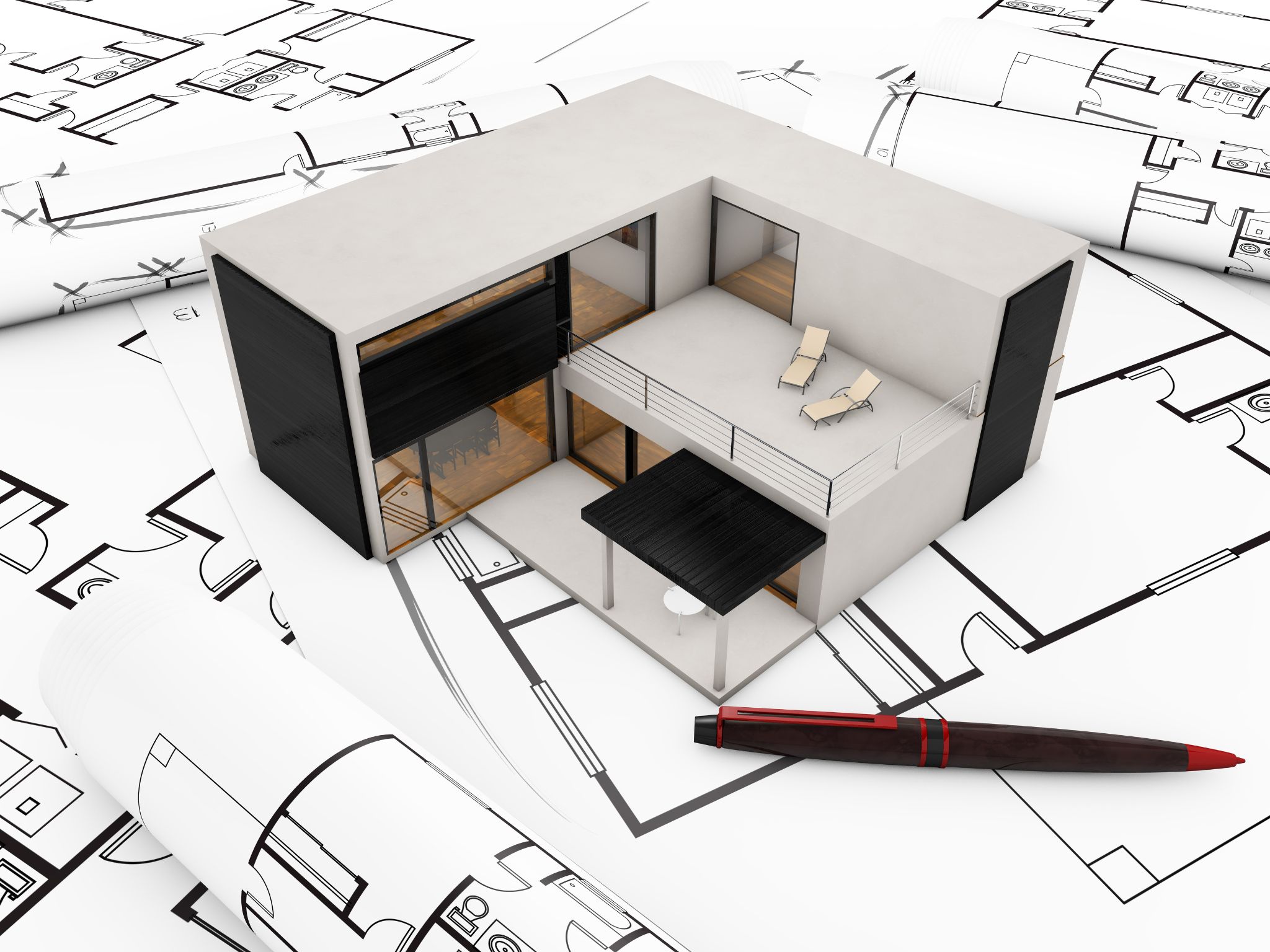
A high demand for housing and a need to develop it quickly brought about prefab homes. They are referred to as “manufactured” homes by many as they are built elsewhere, away from the sites where they are finally placed and lived in. They were a temporary solution for a post-war Britain and provide a low-cost, low-impact means. These benefits are passed on to buyers, providing more affordable options. They are now being used across cities like Manchester and Liverpool to address the current crisis where we’re seeing a shortage and the impact of inflation.
We collaborated with a pilings’ company to gain a deeper understanding of the builds and have shared what we have learned below.
How They Differ to Normal Homes
Prefabricated homes are much faster to build. They take half the time that is needed to build traditional homes. Helical pile installation reduces noise pollution which makes for less disruption and happier neighbours. The alternative, which is to dig foundations, is noisy, expensive, long-winded, and dangerous. They are also considered a more energy-efficient option as they are smaller and use less concrete.
The Building Process
The process is much faster as while construction is underway, the foundations of a prefab home are laid / helical piles are used. This makes for a fast installation with little upheaval and mess. Something that’s important from a developer’s point of view as some sites can be small and difficult to work on.
Points to Note
There are land costs involved with building a prefab house as you will need to own any land that you’re building on. You will also need to have permission to do this, but this is taken care of by those selling the properties.
Modular Homes
Modular homes are a type of prefab home. The construction is similar to building a lego home as entire walls that are manufactured are bought in and assembled onsite. With this method, buildings can be put together in days. What takes the most time is building the foundations and fitting which leads to the process taking months.
Safety
The speed and costs often attract safety concerns. This is something that is adhered to strictly as there are strict building code regulations that must be followed. This is even more stringent than for normal builds.