What Should Be Included in a Heat Pump Service?
*This is a collaborative post.
Heat pumps have become a popular choice across the UK for both heating and cooling homes, especially with the increasing interest in energy efficiency and low-carbon living. However, like any system, they require proper maintenance to remain reliable, efficient, and long-lasting. That’s where a heat pump service comes in.
If you’ve recently installed one or you’ve had one running for a while, you might be wondering: What actually happens during a heat pump service? And more importantly, why is it necessary?
Let’s break it all down and explore what a thorough heat pump service should include, as well as how it helps keep your system running at its best all year round.
Why Servicing Your Heat Pump Matters
Just like a car needs regular check-ups to avoid breakdowns, a heat pump benefits from a scheduled service to catch small issues before they turn into expensive problems, whether you’re heating your home during the colder months or using your heat pump to cool things down in summer, keeping it in top shape ensures efficiency, comfort, and peace of mind.
Servicing is especially important because heat pumps work harder than traditional systems. They’re in use for a larger portion of the year, so wear and tear can accumulate more quickly. Regular checks through ServiceMy can help prevent issues early on. Neglecting maintenance not only affects performance but can shorten the lifespan of the entire unit.
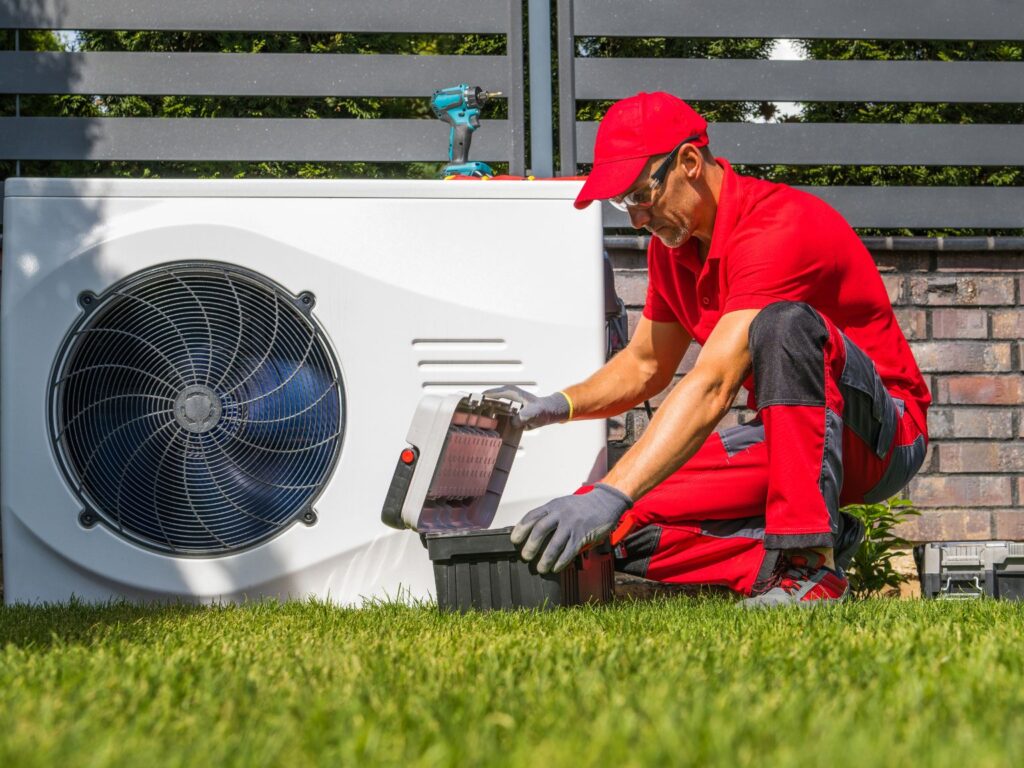
1. Visual Inspection of Indoor and Outdoor Units
The first step in any professional heat pump service is a visual check. The engineer will inspect both the indoor and outdoor units to ensure everything is in order. This includes checking for signs of wear, corrosion, or physical damage.
They’ll also inspect the pipework and the casing to ensure nothing is loose or broken. Sometimes, even minor issues like a cracked panel or a loose connection can lead to more significant problems if left unaddressed for too long.
2. Filter Cleaning or Replacement
One of the most important and often overlooked tasks is cleaning or replacing the air filters. Dirty filters reduce airflow, which forces the system to work harder than it should. Not only does this increase your energy bills, but it can also reduce the motor’s lifespan.
During a service, the filters are either cleaned or replaced depending on their condition. This is one of the simplest ways to quickly restore performance.
If you’re unsure whether your filters need attention between services, a helpful tip is to check them every 1–3 months, especially during seasons of high use.
3. Checking and Cleaning the Coils
The evaporator and condenser coils are essential for your heat pump to transfer heat effectively. Over time, dust, dirt, and even algae can accumulate on the coils, reducing their efficiency.
A good service will include cleaning the coils and checking their condition. If they’re left dirty, the system has to work harder to move heat, which means more electricity is used and more wear on parts.
4. Electrical Connection Checks
Heat pumps rely on a variety of electrical components to operate safely and efficiently. Loose connections or damaged wires can cause a range of issues, from system malfunctions to safety hazards.
The engineer will test the voltage, tighten connections, and ensure that all electrical components are running safely. If anything looks worn or out of place, they’ll usually advise you on the next steps or replace minor components as needed.
5. Refrigerant Level Check
Refrigerant is what allows the heat pump to transfer heat from one area to another. If the refrigerant level is too low, the unit won’t work efficiently, and in some cases, it may not work at all.
During a service, the refrigerant pressure is checked to ensure it’s within the recommended range. If it’s low, the system could have a leak. In such cases, it’s essential to have it inspected immediately, as operating a heat pump with low refrigerant can cause long-term damage.
6. Thermostat Calibration and Controls Testing
The thermostat is what tells your system when to turn on or off, so it needs to be accurate. A technician will test the thermostat to ensure it’s calibrated correctly and reading the room temperature accurately.
They’ll also test the control settings and modes (heating, cooling, defrost, etc.) to ensure the unit responds properly to changes. If something’s not right, they’ll usually reconfigure the settings or troubleshoot the issue.
7. Condensate Drain Inspection
The condensate drain helps remove moisture from your system, especially during cooling mode. If it gets blocked or clogged, it can lead to water leaks or even cause the system to shut down.
Part of the service includes checking the condensate drain to ensure it’s clear and draining properly. If there’s a blockage, it’ll be flushed or cleared to prevent future issues.
8. Performance Testing and Efficiency Check
Once all the components have been inspected and cleaned, the engineer will run a performance check. This involves turning the system on, monitoring its behaviour, and measuring airflow and temperature changes to ensure it’s performing at the expected level.
This part of the service helps identify hidden problems, such as uneven heating or poor airflow, which may not be visible during visual checks.
9. Advice on Usage and Maintenance
A good service doesn’t just end with cleaning and testing. You can also expect expert advice on how to keep your system running smoothly between check-ups.
This might include:
- When to clean the filters yourself
- How to monitor performance
- What to look out for during extreme weather
- Tips on energy-saving settings
Technicians from ServiceMy are known for offering practical, jargon-free advice tailored to your home’s specific needs. Understanding how to use your heat pump properly can significantly impact its efficiency.
How Often Should You Service a Heat Pump?
In most cases, a yearly service is recommended. If your system is used heavily—either for both heating and cooling or in a commercial setting—you may want to consider a six-month check-up instead.
Regular servicing, particularly through trusted providers like ServiceMy, ensures that your system remains efficient, safe, and ready for whatever the British weather throws its way.
Signs Your Heat Pump May Need a Service Sooner
While annual servicing is a good baseline, there are a few signs to watch for that might indicate you need one sooner:
- Unusual noises coming from the unit
- A sudden increase in energy bills
- Uneven heating or cooling
- The unit is turning on and off frequently (short cycling)
- Weak airflow from vents
If you notice any of these, don’t wait, get a technician to inspect it before it becomes a more costly problem.
Getting your heat pump serviced isn’t just about ticking a box, it’s about making sure your home stays comfortable and energy-efficient all year round. A proper service involves far more than a quick once-over. From cleaning filters to checking refrigerant levels, testing electrical components, and ensuring the system is functioning as intended, each step of the process is crucial.
Keeping your system in top shape requires a professional eye. And with engineers from ServiceMy, you know you’re getting thorough checks, honest advice, and no unnecessary add-ons. It’s all about making your heat pump work better, last longer, and save you more in the long run.